How Septic Quietly Caps Your Density — and How to Get the Land Back
SeaTop Engineering Team
In-house architects & engineers · July 17, 2026
Have a site like this? Send it over for a free preliminary review — no cost or obligation.
Request Preliminary Site ReviewFor developers and land planners, the limiting factor is not always zoning. On sites without municipal sewer, the wastewater system — drainfields, reserve areas, spray fields, infiltration areas, and the setbacks around them — can reduce the number of usable homes or rooms far below what the zoning appears to allow. It is one of the most common, and least visible, ways density quietly disappears.
Density is usually lost twice
The first loss is the treatment area itself: the land the drainfield or infiltration area physically occupies. The second loss is the required setbacks and reserve areas around it — buffer land you also cannot build on. On a high-value parcel, those two losses together can be the difference between a project that pencils and one that does not.
Wastewater is a land-value question, not just an engineering one
This is the part most site plans miss. Every square foot committed to septic infrastructure is a square foot not producing revenue, open space, amenities, parking, or additional units. On a resort, RV park, marina, or residential development, a better treatment-field strategy can sometimes create more value than a small reduction in construction cost — because it hands buildable land back to the plan.
High-performance treatment in a smaller footprint
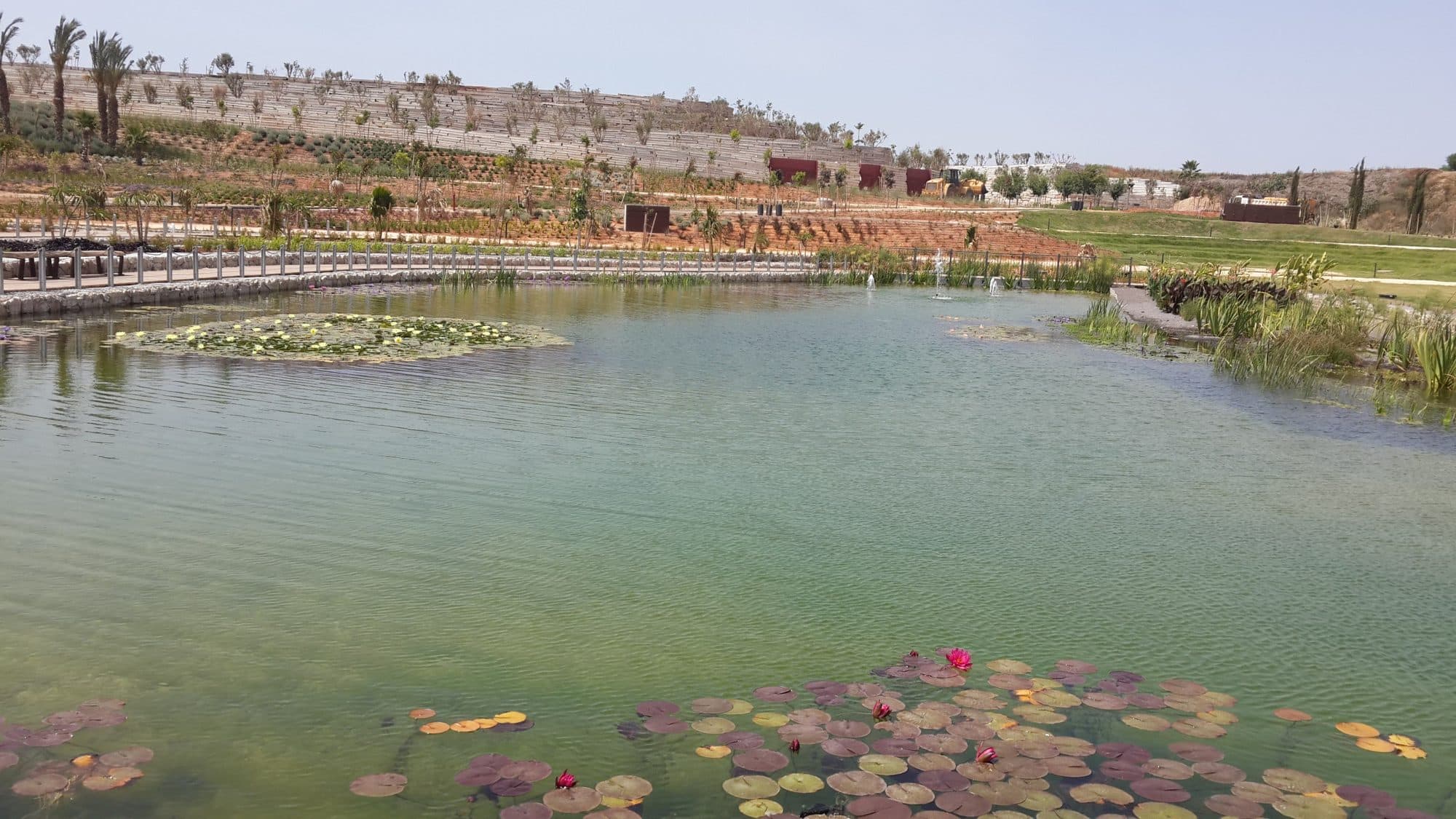
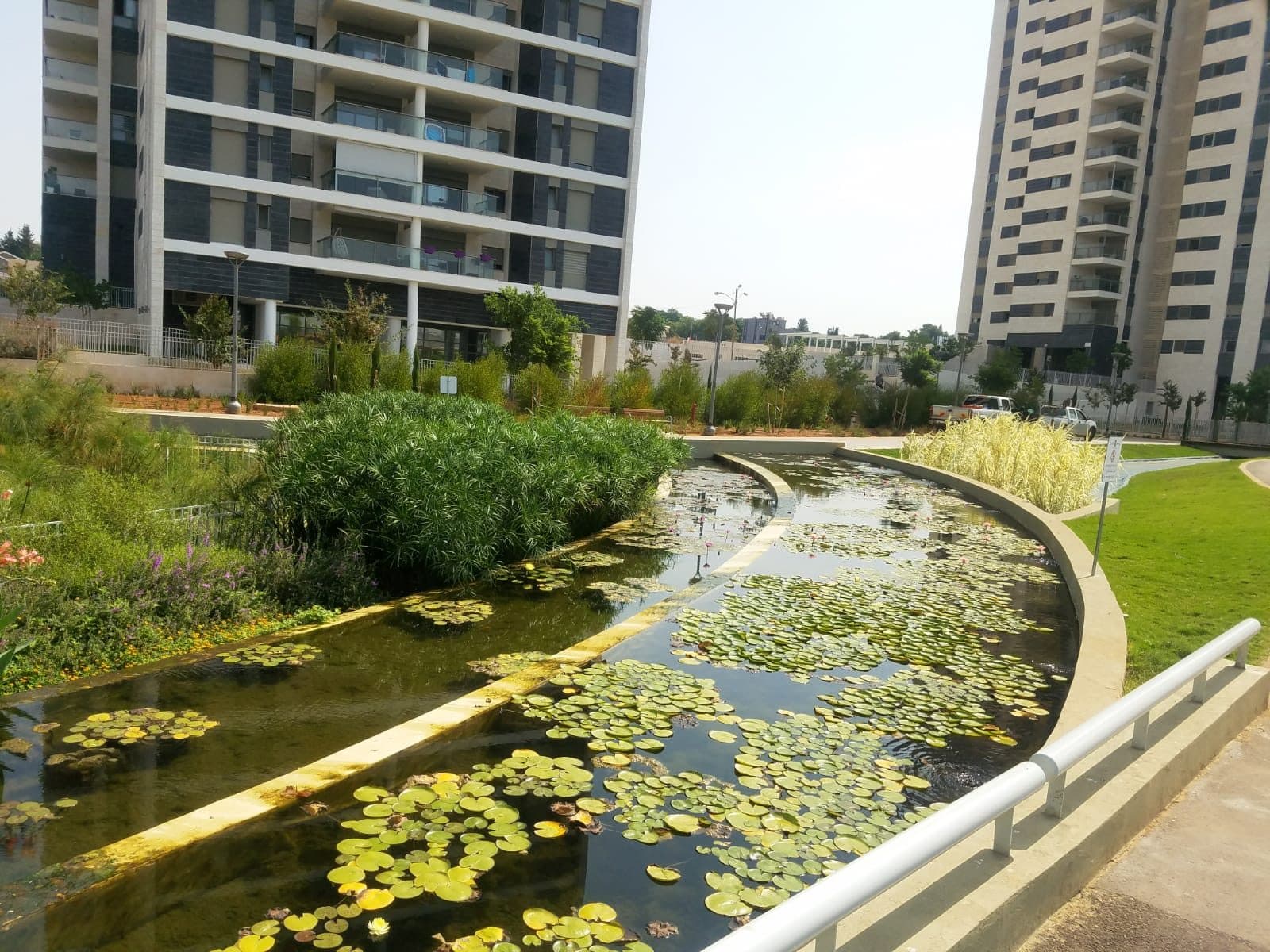
Depending on the jurisdiction and site conditions, constructed wetland concepts and other high-performance approaches can treat wastewater to a cleaner standard than a conventional tank while occupying less usable land — and they read as landscape rather than infrastructure. Whether that unlocks additional units on a specific parcel is always subject to local rules and a site-specific review.
Evaluate the whole site together
Density, septic, utilities, layout, elevation, and product type are not separate problems — they interact. SeaTop reviews them together through lot-density optimization, so the wastewater strategy and the unit plan are designed as one. You can get a rough sense of the upside with our free ROI calculator.
What to send us
If septic, spray fields, or infiltration areas are limiting your project, send the parcel and your target unit count below. We will tell you whether the site looks worth a deeper, paid density and wastewater review.
Run your parcel by us
Send the parcel address, acreage, current zoning, sewer/septic status, and your target unit count. We will give you a first read on whether a better wastewater and layout strategy could recover density — subject to jurisdiction and a site-specific review.