
Fit more homes on land you already own
On lots without city sewer, the septic drainfield decides how many bedrooms (and how many homes) you can permit. A parcel that could hold four homes often gets capped at two. SeaTop's high-performance septic treats wastewater in a fraction of the space, lifting that cap so you can build more homes on the same land: more to sell or rent, from a parcel you already own. Where the ground itself is the limit (wetland, water, or slope), elevated Pillar homes are a second way to build.
The value, in one line
Same acre, same land budget. On a septic-limited lot, SeaTop’s high-performance septic can up to double the homes you can build, without buying an inch more land.
Actual gains depend on the lot, the code, and the water table. Tell us your parcel and we’ll model it.
See your parcel’s numberTwo ways to free up land
Use one or both, tailored to the site. It does not have to be a full system, just what frees the most land.
High-performance septic that gives the lot back
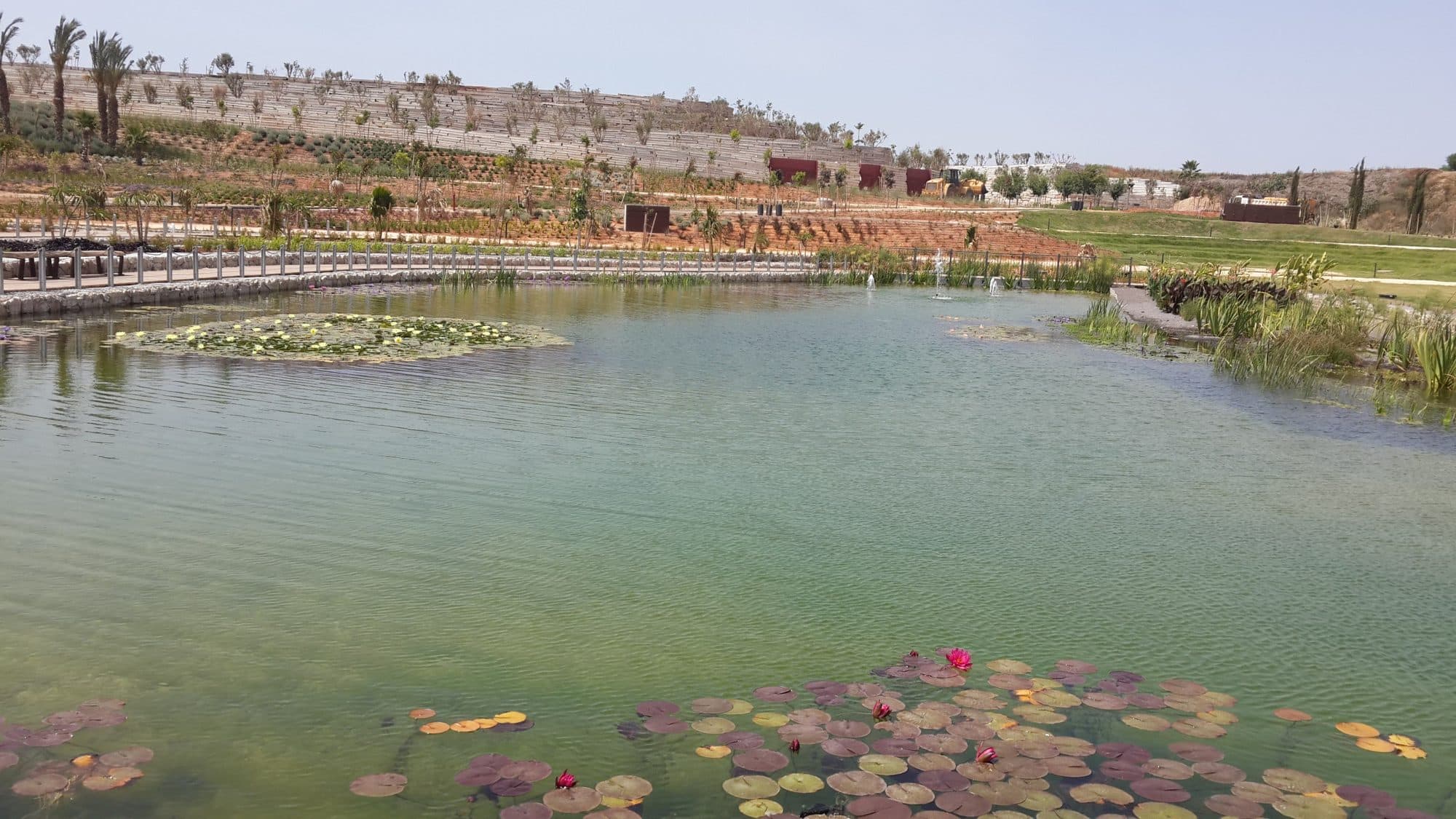
A conventional septic system needs a large drainfield, and local rules tie the number of bedrooms you can permit to that drainfield's size. Our engineered septic treats wastewater on-site to a standard cleaner than local septic codes require, in a fraction of the space, so you can permit more bedrooms, put more of the lot toward housing, and turn the system itself into landscaping.
- As little as 25–50% of a standard system’s footprint for the same occupancy
- Tucks into the lot’s setback area
- Doubles as appealing, planted landscaping
- Frees 50–75% of the drainfield and spray area for housing
- Treated water can be reused across the project

Elevated homes that don't consume the ground
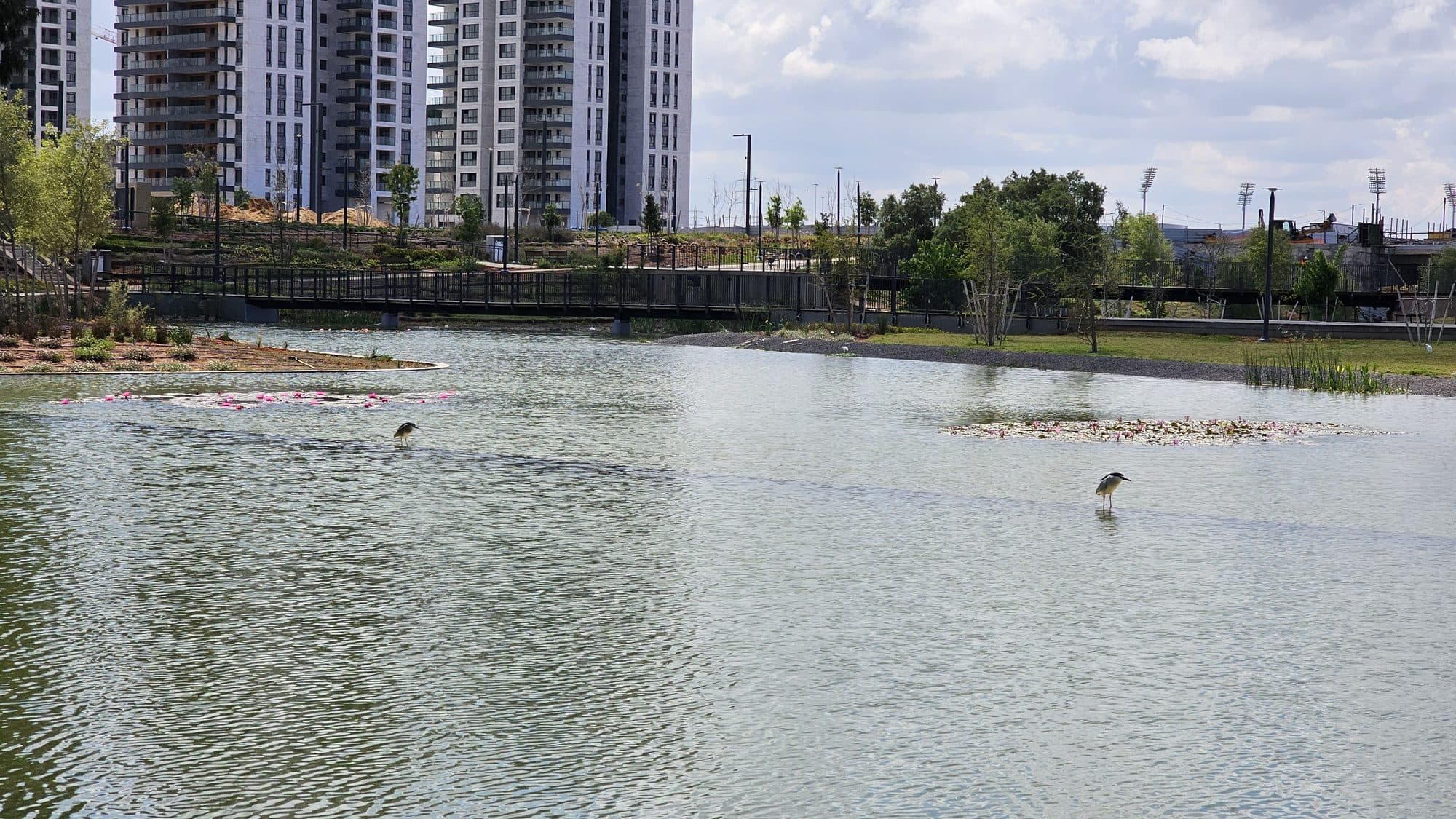
Ground-level homes claim the whole footprint. Elevated Pillar homes rise above it, so a single parcel can hold more, even over water or protected land, without obscuring it.
- Pillar homes sit above the land on a single adjustable pillar
- Can sit over water, wetlands, or retention areas
- Keep the footprint underneath usable
- Build where the land would otherwise be off-limits
More homes, cleaner water, better land
25–50% septic footprint
Our engineered septic needs as little as a quarter to half the size of a standard system for the same occupancy.
50–75% of the drainfield freed
Reclaim the drainfield and spray area conventional septic ties up, and put it toward housing.
Setback becomes landscaping
Systems tuck into the setback area and double as appealing, planted landscape.
On-site water reuse
Treated water can be reused to support the rest of the project.
Built for the people who develop land
Developers
More sellable, rentable homes from the same parcel.
Designers & architects
A buildable way to hit density targets on tight or sensitive sites.
Municipalities
More affordable housing per acre, with cleaner water on-site.
Landowners
Unlock land that conventional rules hold back.
Have a project in mind? Start here.
A few quick details and we’ll come back within one business day.
Optimize your lot housing density
Tell us about your parcel and goals, and we'll show you how many more homes it can hold, with cleaner water and better land.