Modular vs. Traditional Construction: The Real Cost and Time Difference
SeaTop Engineering Team
In-house architects & engineers · June 10, 2026
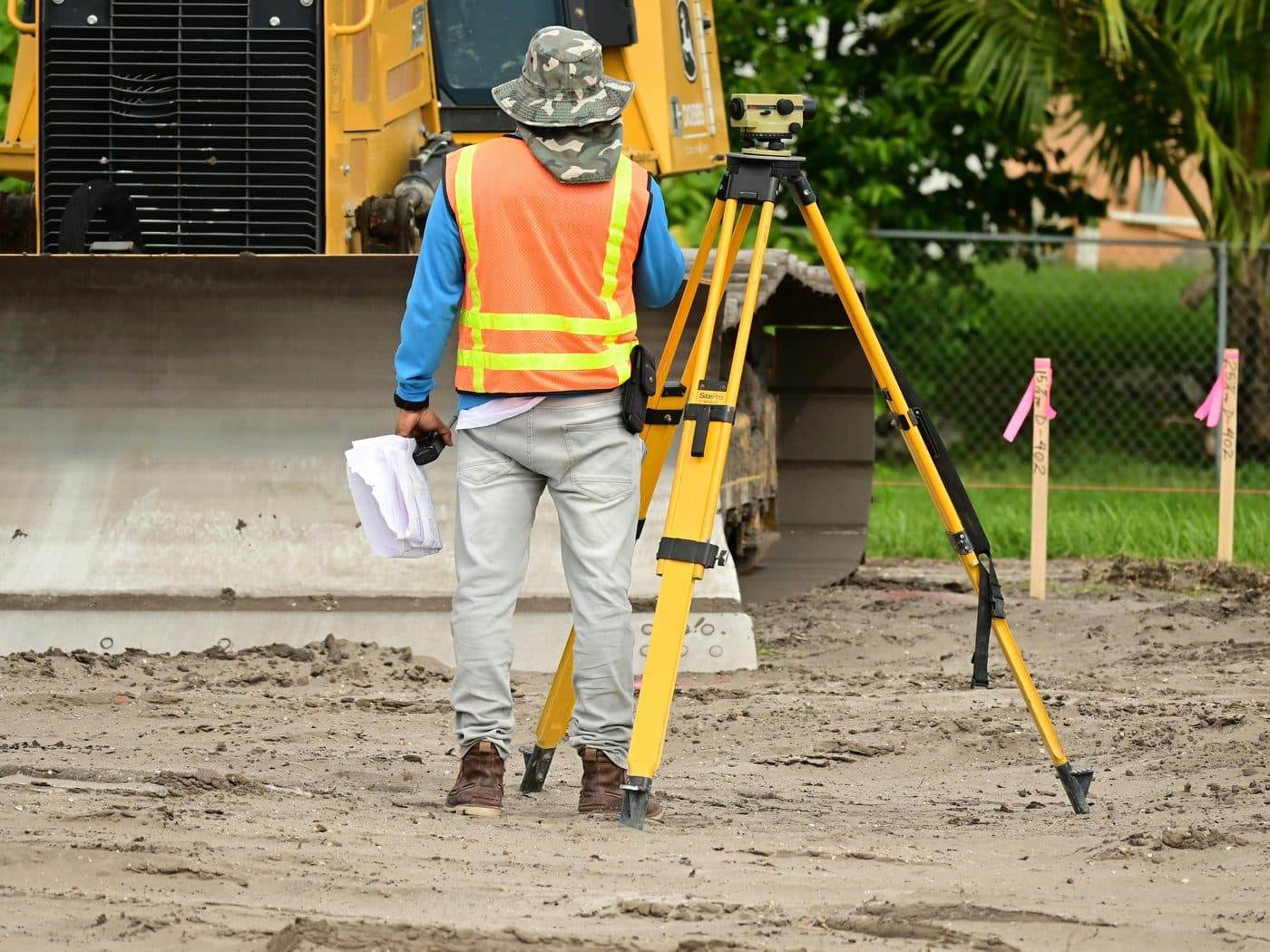
Have a site like this? Send it over for a free preliminary review — no cost or obligation.
Request Preliminary Site ReviewTraditional construction has barely changed in decades: work happens on-site, in sequence, exposed to weather and labor shortages. Modular construction flips that model: homes are manufactured in a controlled facility while site work happens in parallel. The result is a faster, more predictable, and often far cheaper path to a finished home.
Where the time savings come from
The biggest gain is parallelization. While the factory builds the structure, the site is prepared at the same time: foundations, utilities, and permits move forward instead of waiting in line. Indoor manufacturing also removes weather delays and keeps a skilled crew working efficiently.
SeaTop modular homes are completed in roughly 6–12 weeks, up to 85% faster than comparable traditional builds. For developers, that compression is the difference between one project a year and several.
Where the cost savings come from
- Less wasted material thanks to precise, repeatable factory processes
- Lower labor cost per unit from a stable, specialized workforce
- Fewer weather and scheduling delays that quietly inflate budgets
- Faster delivery means less time paying for financing and carrying costs
Together these can bring the vertical build (shell, labor, and MEP) down by about a third versus a conventional build, without compromising on a permanent, financeable, code-compliant home.
Is modular right for your project?
Modular shines for developers building at scale, communities addressing housing shortages, and owners who want a quality home on a tight timeline. SeaTop’s steel-frame systems are engineered in-house and installed on screw piles, making them a strong fit even for challenging or flood-prone sites.
Compare the numbers for your build
Send your site and rough scope. We will come back with a real cost and timeline comparison for your specific project, modular versus traditional.