Are Modular Homes Hurricane-Proof? Wind Ratings Explained
SeaTop Engineering Team
In-house architects & engineers · June 15, 2026
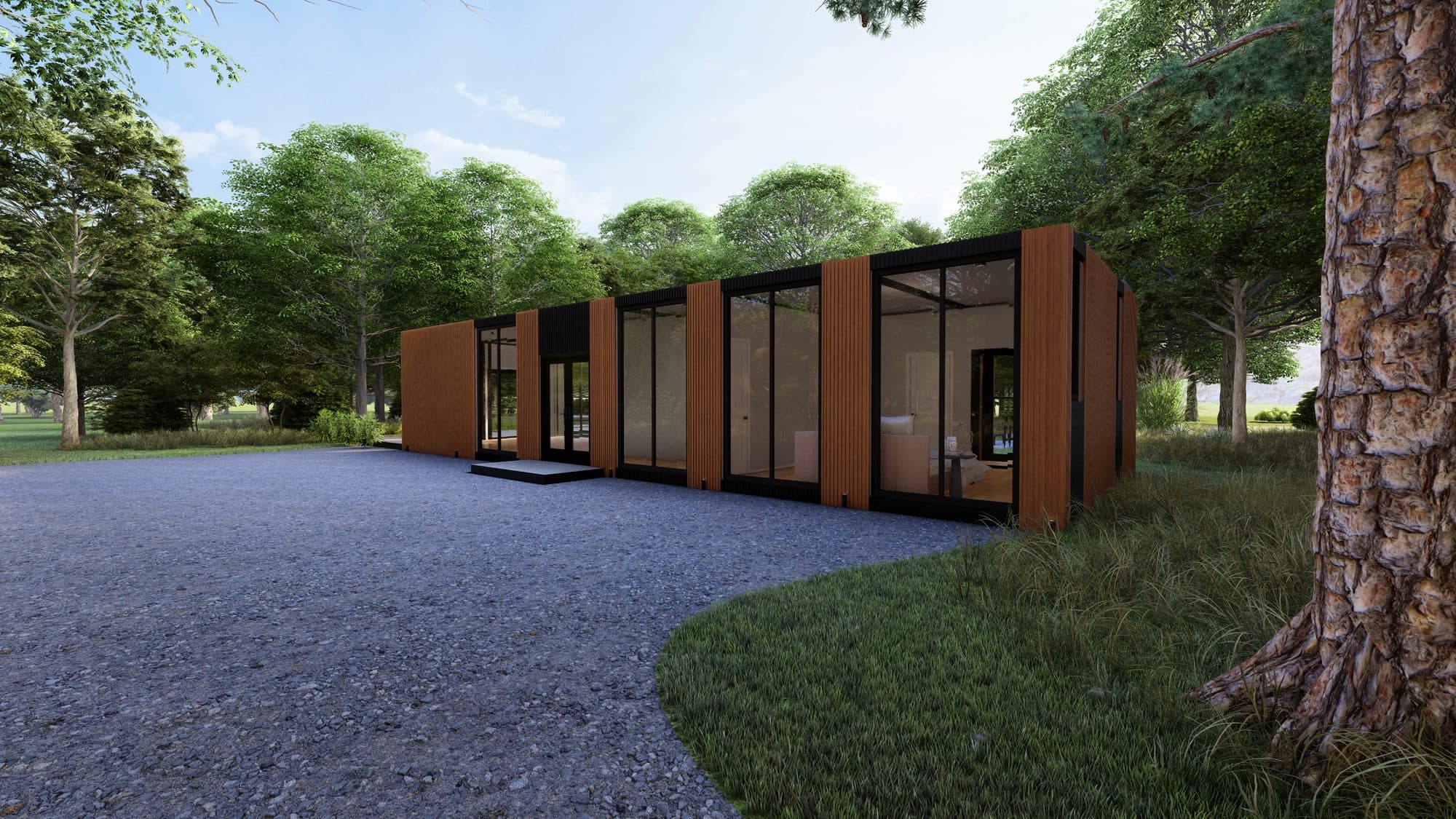
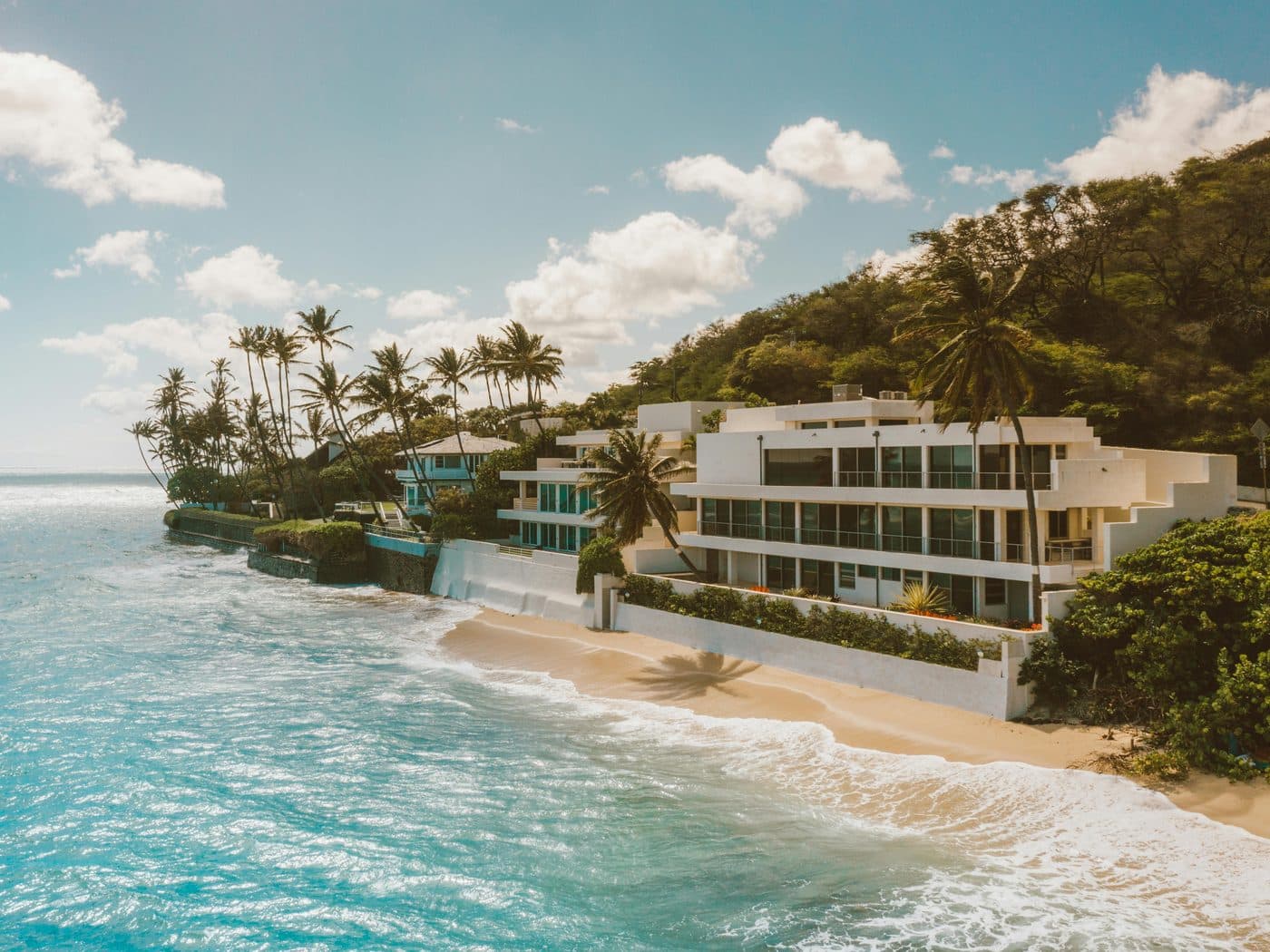
Have a site like this? Send it over for a free preliminary review — no cost or obligation.
Request Preliminary Site ReviewA well-engineered modular home can be as hurricane-resistant as a comparable site-built home, if not more so, thanks to factory precision and a rigid steel frame. SeaTop modular homes are rated for winds up to 250 mph. No home is ever fully “hurricane-proof,” but the right structure, openings, and foundation make one highly hurricane-resistant.
What does a wind rating mean?
A wind rating is the design wind speed a structure is engineered to withstand, following standards like ASCE 7. South Florida is demanding: Miami-Dade and Broward counties sit in the High-Velocity Hurricane Zone (HVHZ), with the strictest wind and impact requirements in the country. A rating of up to 250 mph is built for that environment.
Why steel modular performs well
- A rigid, corrosion-resistant steel frame resists racking and uplift
- Factory quality control means consistent, well-fastened connections
- Sections are engineered to be transported and craned, so they are built strong
- Impact-rated windows and doors can be specified for HVHZ sites
It is more than the walls
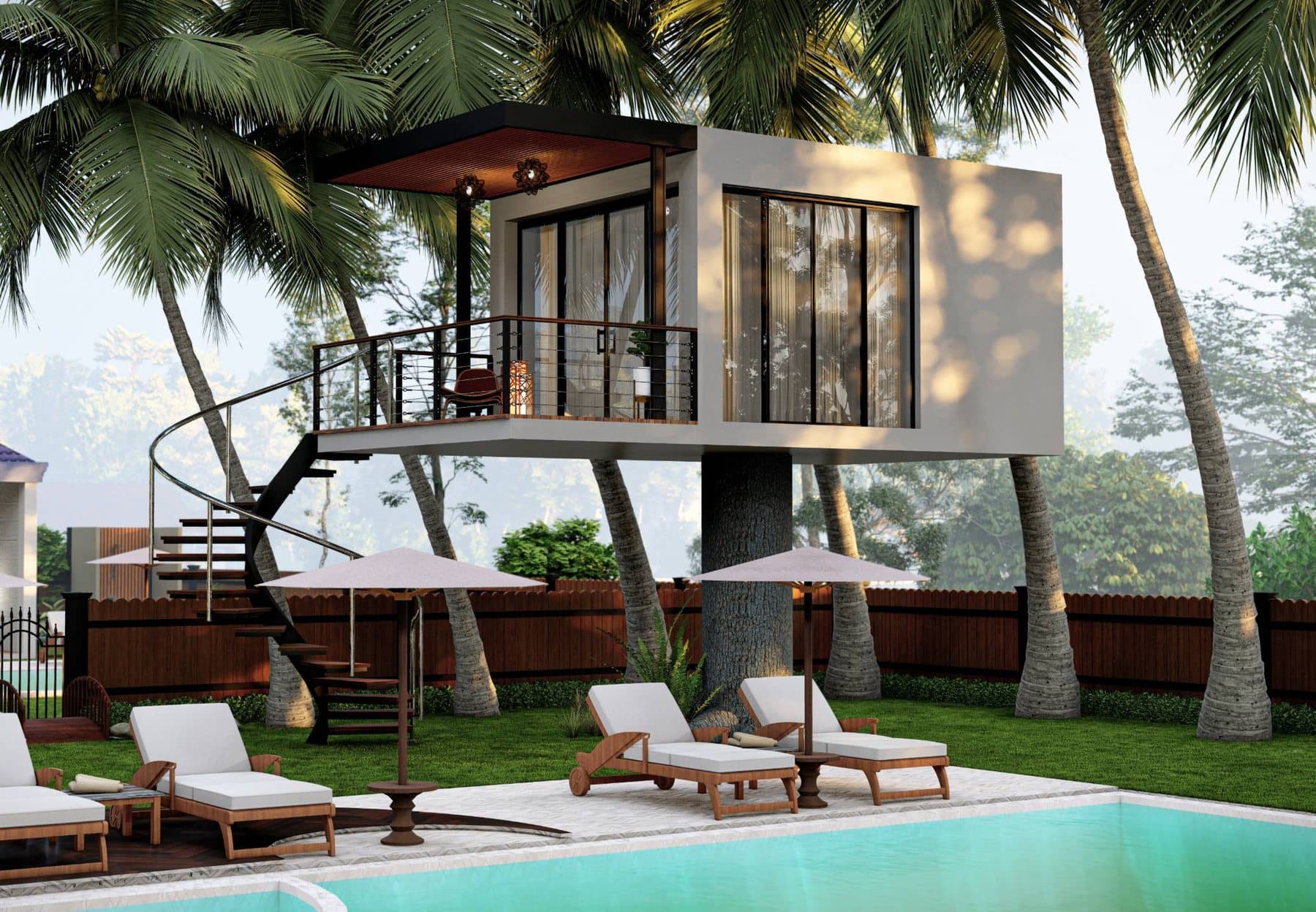
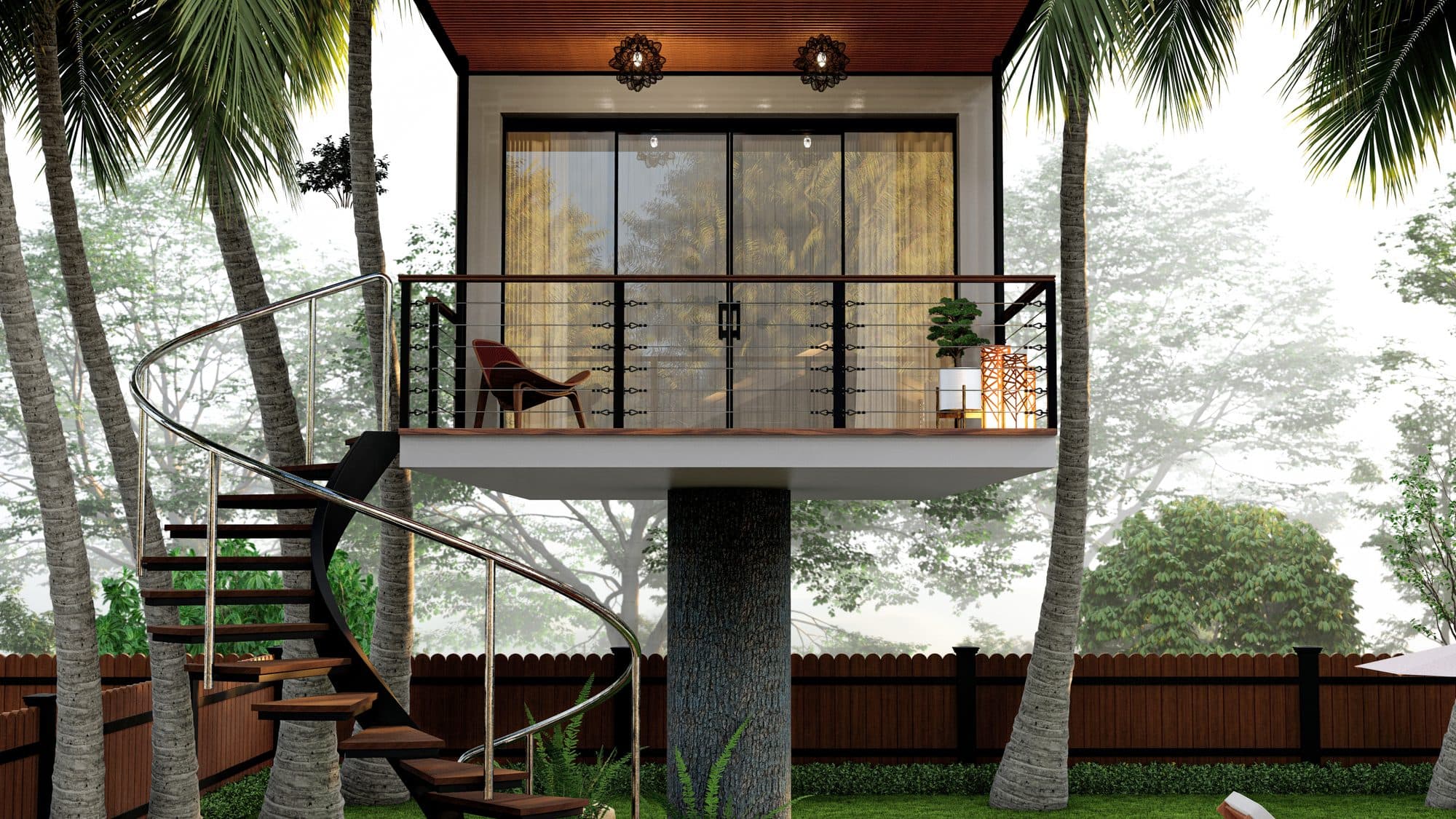
Hurricane performance is a system: roof-to-wall connections, impact-rated openings, a continuous load path to the foundation, and, in flood zones, elevation above the surge. SeaTop addresses all of these, and homes can be elevated on the Pillar System. See Building in a Florida Flood Zone.
SeaTop’s engineering
Every SeaTop home is engineered for winds up to 250 mph, seismic grade 9, and fire, with a 50+ year service life and resistance to termites, corrosion, and mold. Request a consultation to build for Florida’s storms.
Estimate your flood-insurance savings
Estimated savings, every year
$1,150–$2,500
50–64% lower
- Built at grade
- $1,800–$5,000 / yr
- Built elevated
- $650–$2,500 / yr
A mapped high-risk zone. New homes must sit above the flood line, and how far above it drives the premium. Building elevated is what turns a high premium into a manageable one.
Illustrative estimate, not an insurance quote — actual pricing depends on your insurer, rebuild cost, distance to water, and an elevation certificate. Confirm with a licensed agent.
Have us review your wind-zone site
Send your property address and the type of structure you are considering. We will help identify the main design questions — elevation, openings, load path, corrosion, and site-specific engineering — before you spend money on the wrong plan.