Hurricane-Resistant & Flood-Zone Homes in Florida: The Pillar Home Guide
SeaTop Engineering Team
In-house architects & engineers · June 19, 2026
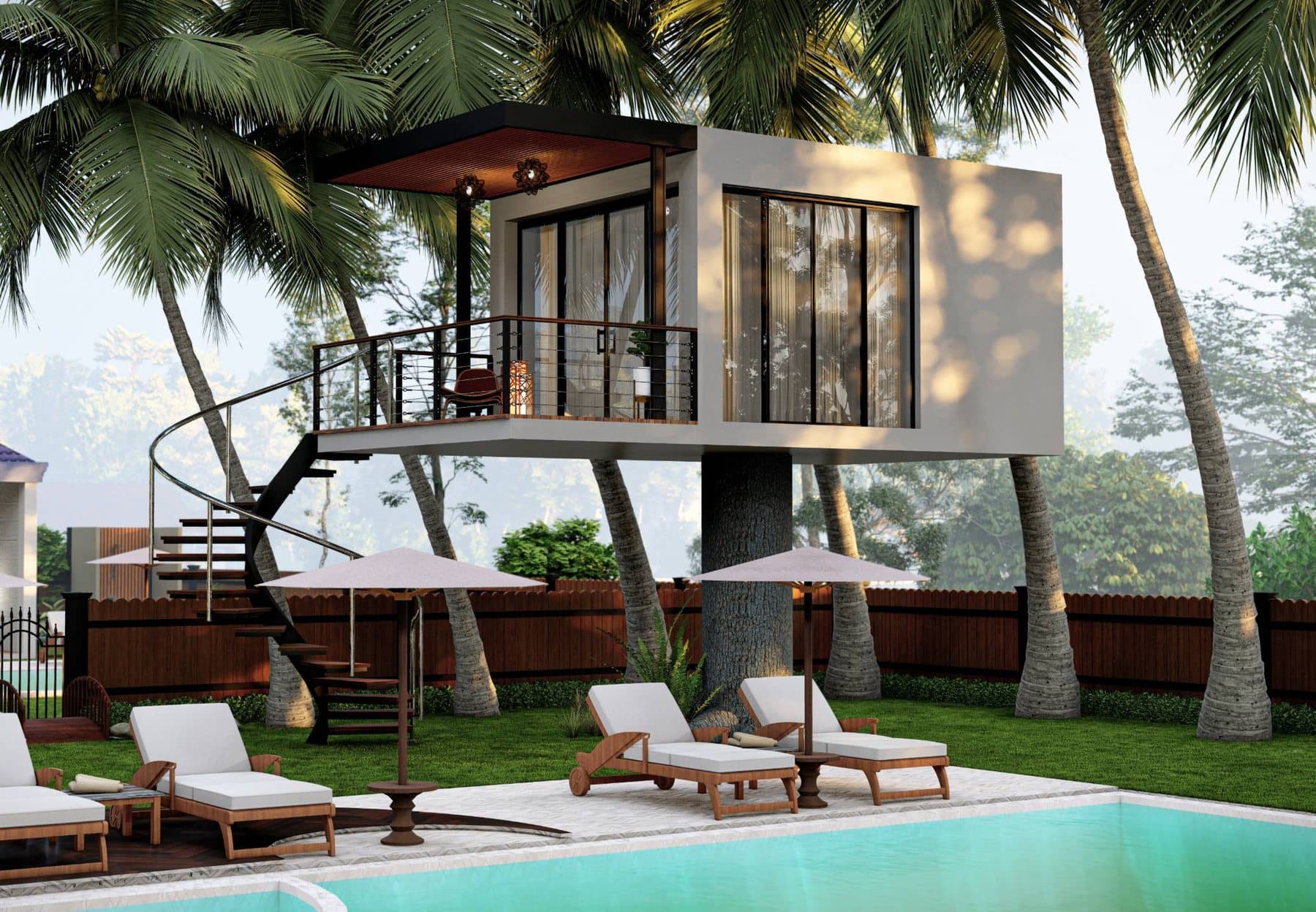
Have a site like this? Send it over for a free preliminary review — no cost or obligation.
Request Preliminary Site ReviewBuilding safely on a Florida coastline, canal, or flood zone comes down to two things: raising the living space above the base flood elevation, and engineering the structure for hurricane-force winds. SeaTop Pillar Homes are patented elevated dwellings that lift, lower, and rotate 360° to rise above floods, storm surge, and erosion, while modular homes bring wind ratings up to 250 mph and fast, factory-built quality.
What makes a home hurricane-resistant in Florida?
No home is fully “hurricane-proof,” but a well-engineered one is highly hurricane-resistant. In South Florida that means a wind-rated structure (Miami-Dade and Broward sit in the High-Velocity Hurricane Zone), impact-rated windows and doors, a securely connected roof, and a foundation appropriate to the site. SeaTop homes are engineered for winds up to 250 mph with corrosion-resistant steel built to last 50+ years.
Why elevation matters in flood zones
Most flood damage comes from water, not wind. Homes in FEMA flood zones generally must have their lowest floor elevated above the base flood elevation (BFE). The challenge is doing that without an ugly, fortress-like result, which is exactly where elevated and Pillar designs shine.
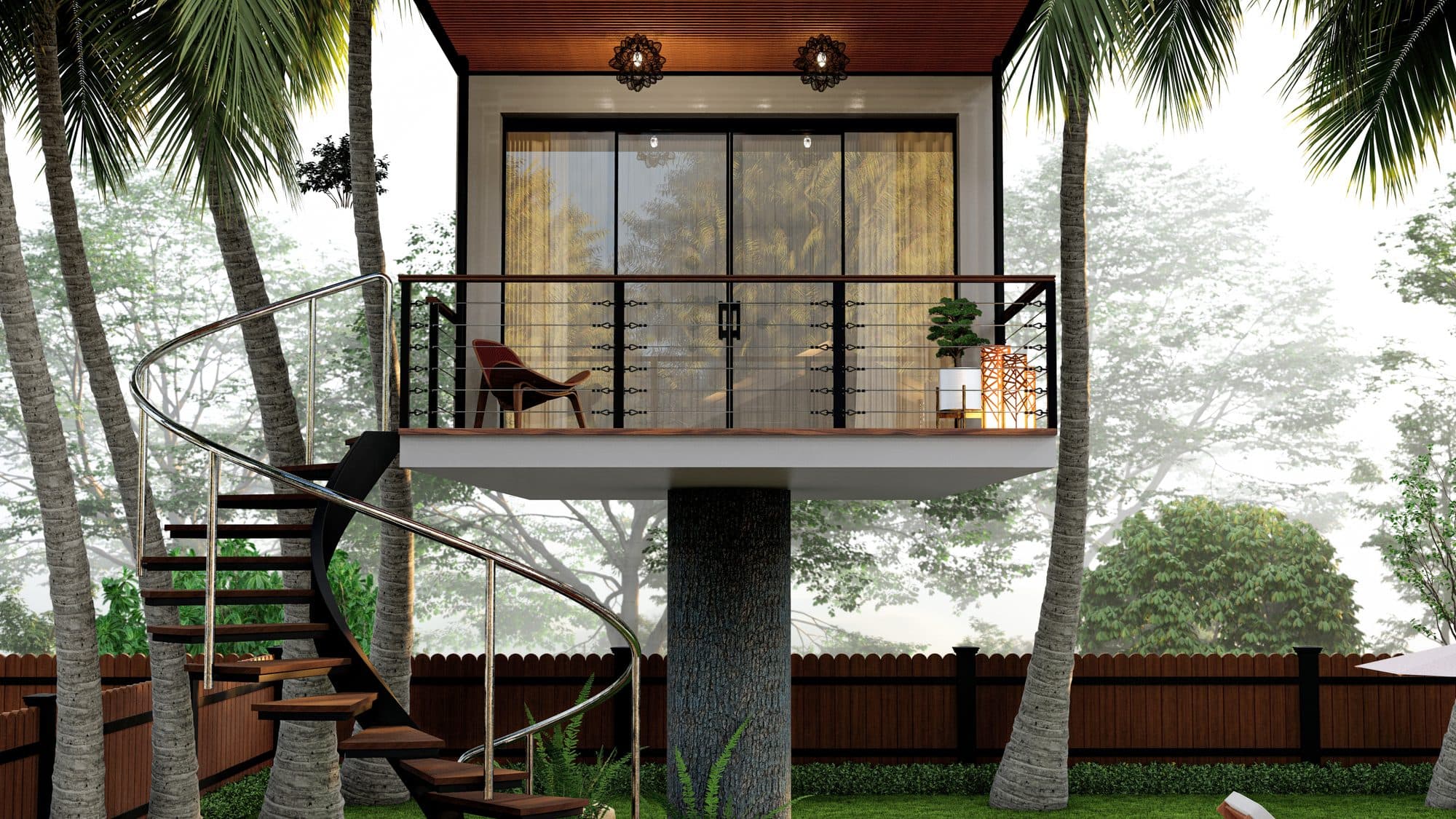
How Pillar Homes solve it
- Lifts and lowers on a patented adjustable pillar to stay above rising water
- Rotates 360° to face the view, or turn away from a storm
- Minimal ground footprint: protecting the natural landscape and ecosystem beneath
- Marine-grade, corrosion-resistant materials for saltwater and storm exposure
- Fast to deploy, even on remote, sloped, or constrained coastal sites
Combining modular speed with elevation
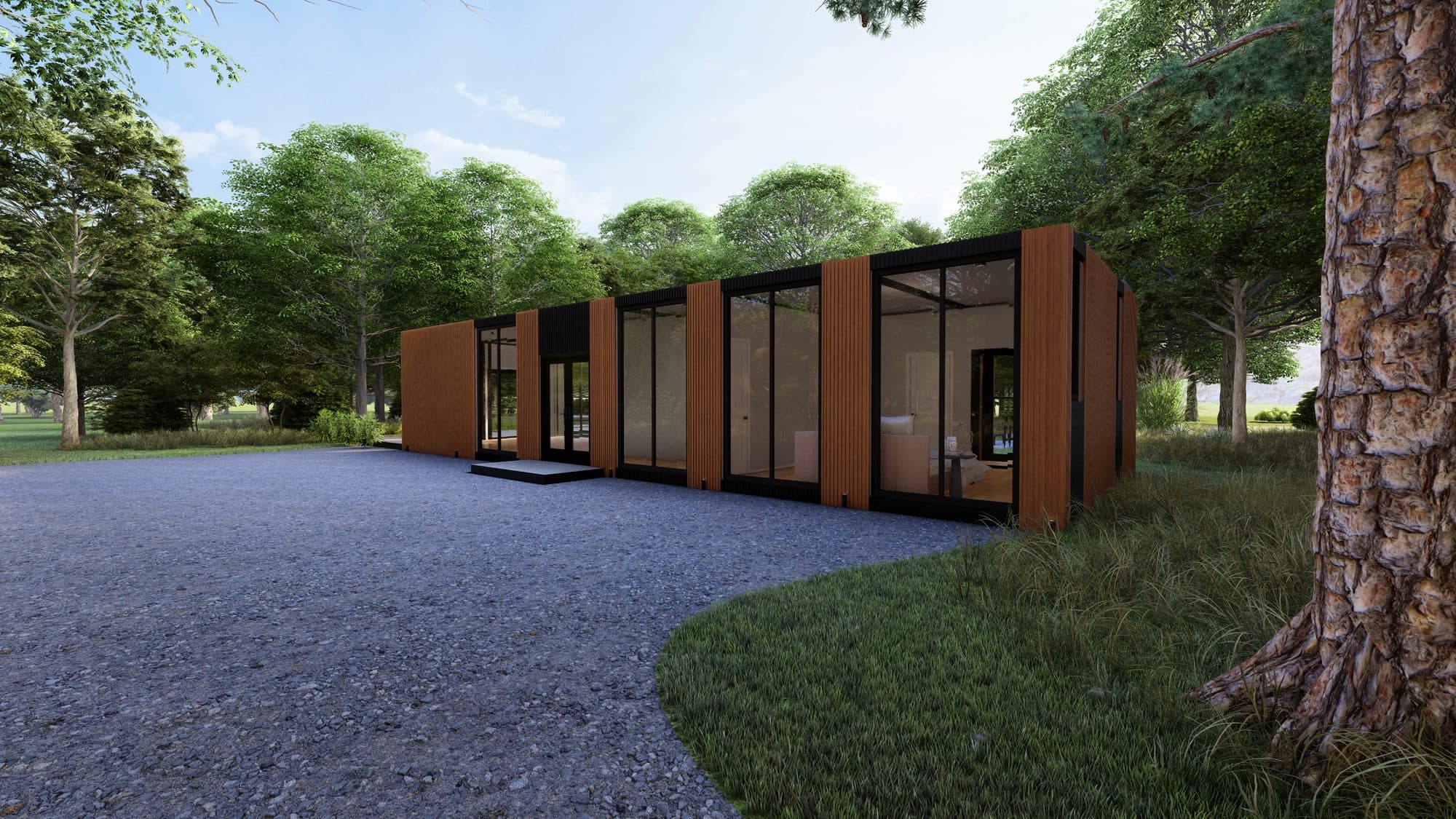
You do not have to choose between fast and resilient. SeaTop modular homes can install on screw piles or the Pillar System, pairing 6–12 week build times with above-the-flood-line protection. Learn more in Building in a Florida Flood Zone.
Where this works in South Florida
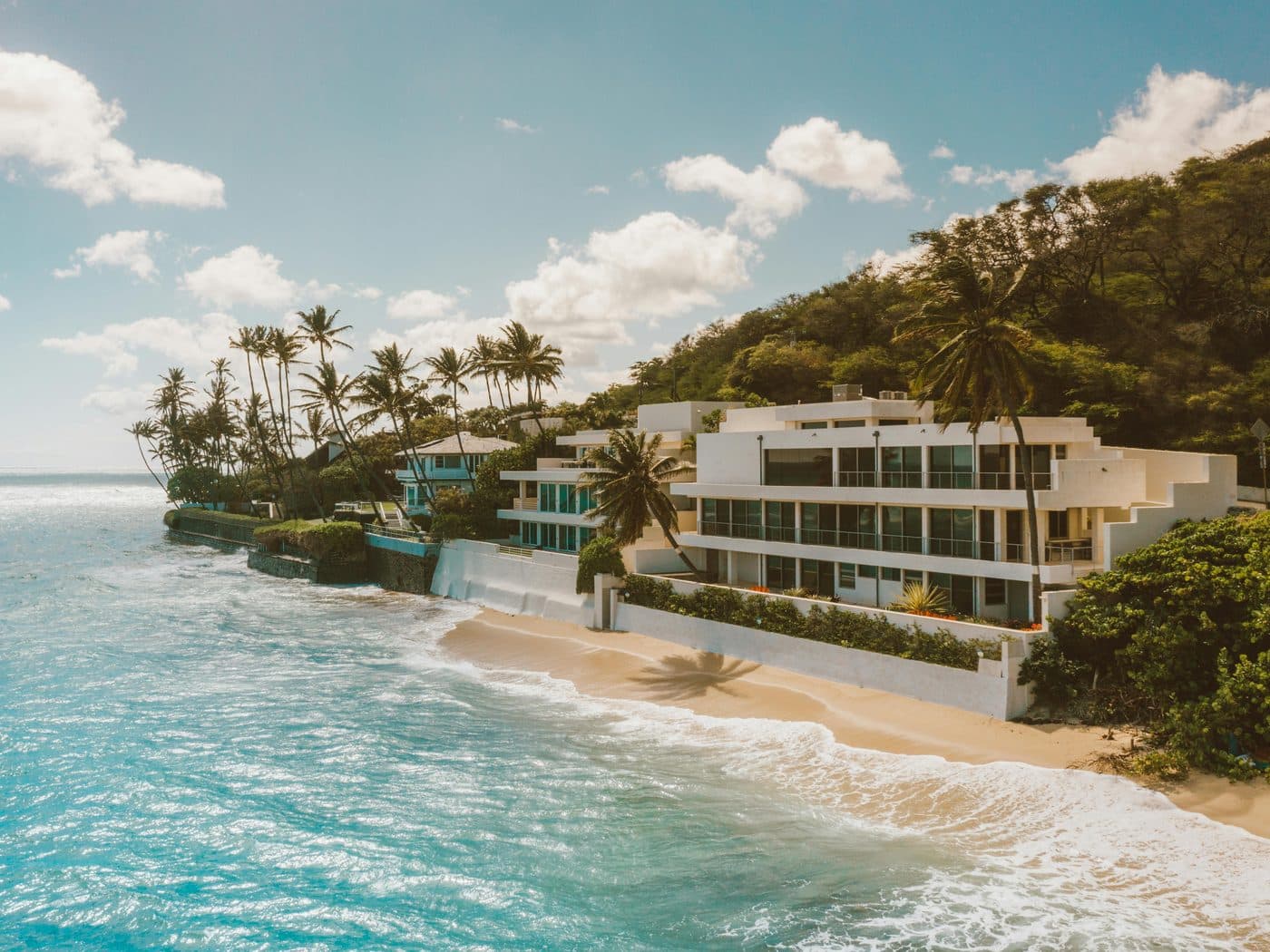
Coastlines, canal-front lots, wetlands, and the Keys all benefit from elevated design, from Pillar Homes in Fort Lauderdale and Miami to Key West. Tell us about your site and we’ll recommend the right approach. Request a consultation.
Estimate your flood-insurance savings
Estimated savings, every year
$1,150–$2,500
50–64% lower
- Built at grade
- $1,800–$5,000 / yr
- Built elevated
- $650–$2,500 / yr
A mapped high-risk zone. New homes must sit above the flood line, and how far above it drives the premium. Building elevated is what turns a high premium into a manageable one.
Illustrative estimate, not an insurance quote — actual pricing depends on your insurer, rebuild cost, distance to water, and an elevation certificate. Confirm with a licensed agent.
Have us review your hurricane/flood-zone site
Send your property address and the type of home you are picturing. We will give you a first read on the elevation and wind-engineering approach that fits — subject to a site-specific review.