Is My Lot Buildable? How to Read a Difficult Site Before You Write It Off
SeaTop Engineering Team
In-house architects & engineers · July 17, 2026

Have a site like this? Send it over for a free preliminary review — no cost or obligation.
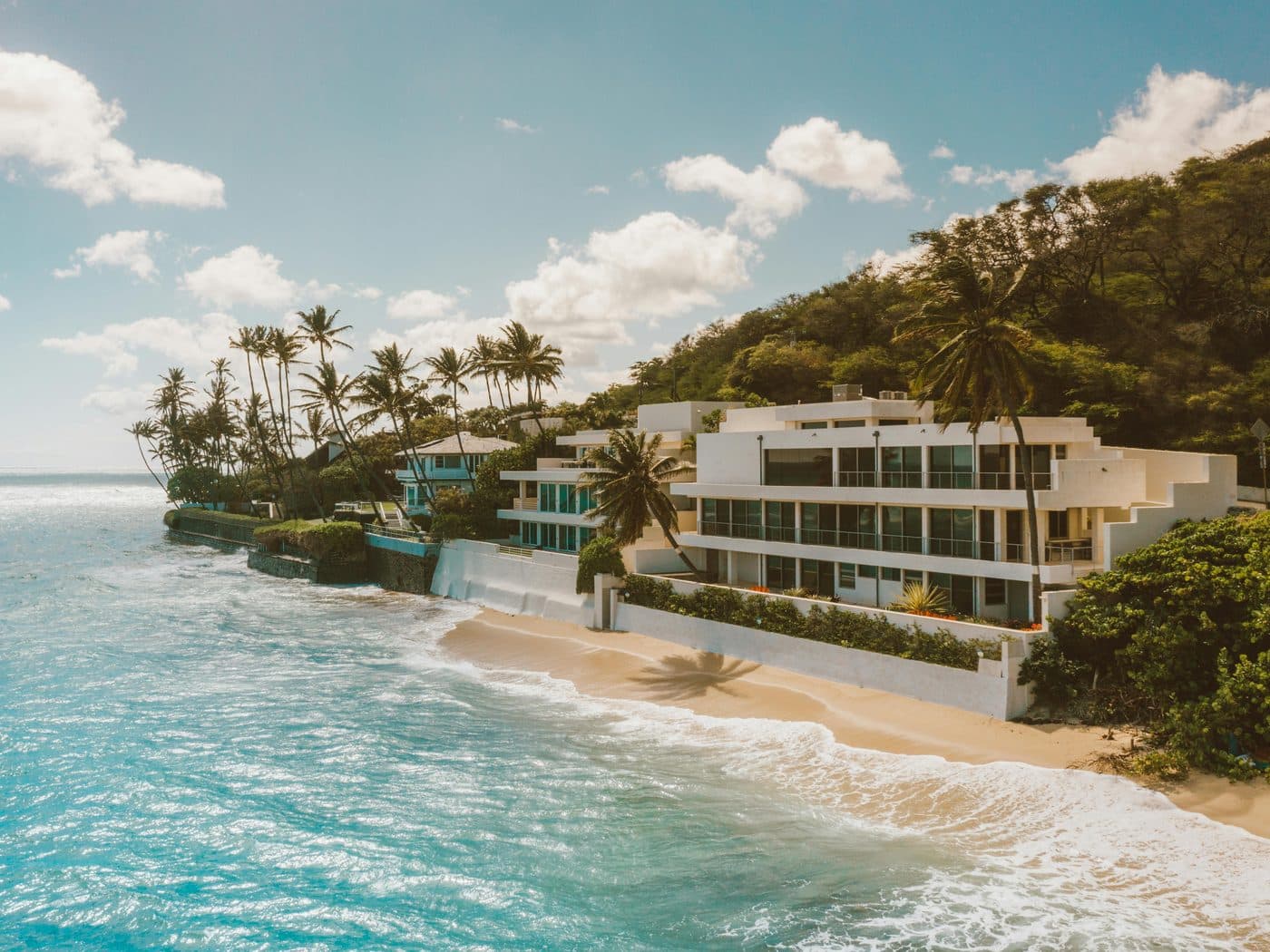
Request Preliminary Site ReviewBefore writing off a piece of land, it helps to know that "buildable" is rarely a simple yes or no. A lot can be unbuildable for one construction method and perfectly feasible under another. A low-lying waterfront site, a wetland-adjacent parcel, or a sloped lot may be difficult for conventional slab construction, yet well suited to an elevated modular or pillar-based solution with far less ground disturbance.
Start with three numbers
Most of what you can build on a lot is decided by three numbers: its FEMA flood zone, the Base Flood Elevation (the height the flood maps expect water to reach), and how the existing ground sits relative to that line. Together they often determine how high a finished floor must be, whether conventional construction is practical, and whether an elevated approach should be considered. Our free Check Your Lot tool reads all three from any address in seconds.
Why the same lot fails one way and works another
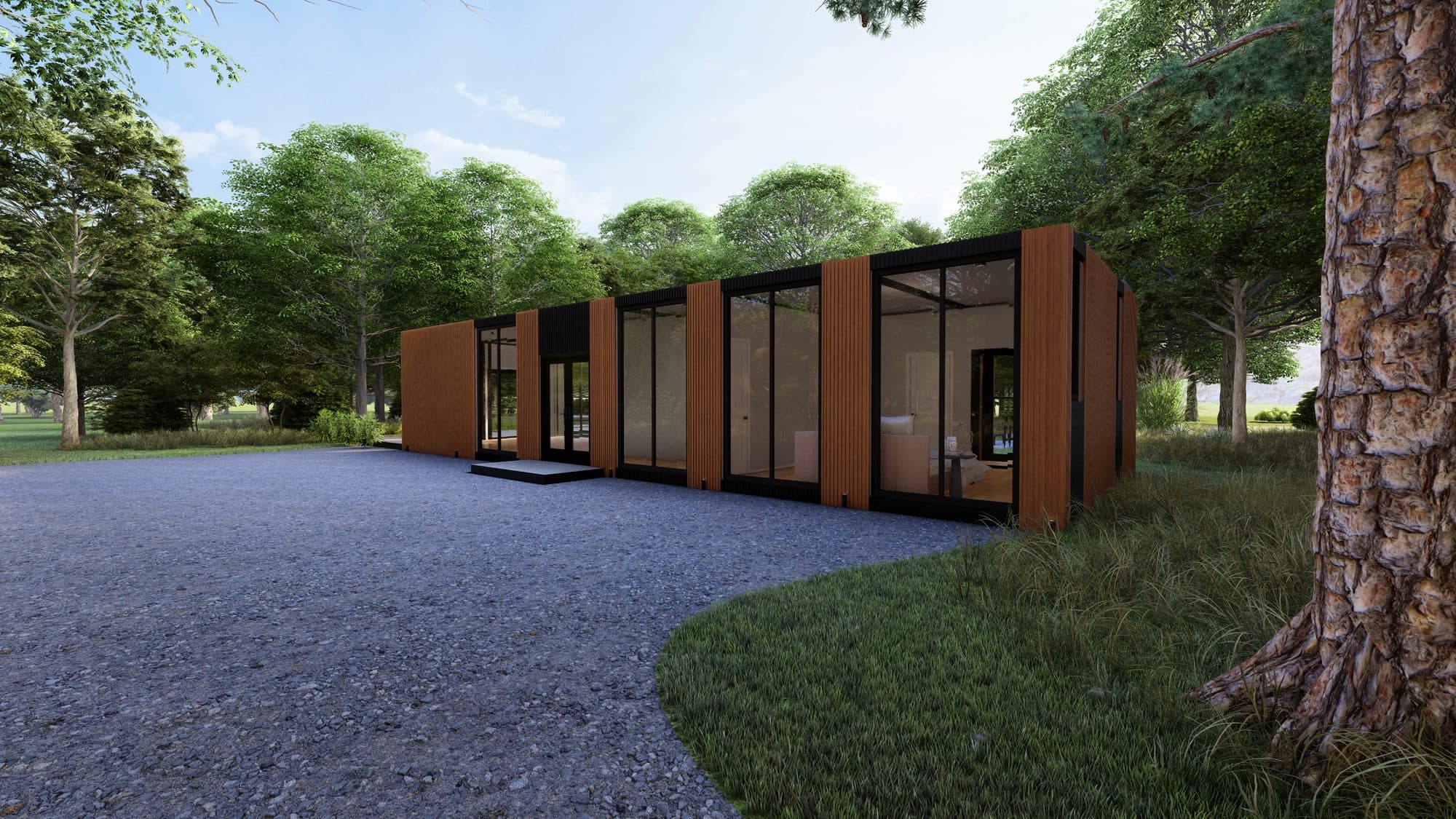
A conventional slab wants dry, flat, stable ground with easy utility access. The moment a site is wet, sloped, close to the water, or exposed to surge, that approach gets expensive or is simply not allowed. An open, elevated foundation changes the question entirely: instead of fighting the water and the terrain, the living space sits above them, and the ground below stays largely untouched.
The constraints SeaTop engineers for
- Flood and storm-surge exposure, with the lowest floor elevated above the flood line
- Wetland edges and sensitive ground, with a minimal foundation footprint
- Slopes and difficult terrain, where a conventional pad would mean heavy earthwork
- High-wind and coastal environments, engineered for winds up to 250 mph
- Limited access and utilities, where factory-built modular sections shorten on-site work
What a lot is "buildable" for still depends on the rules
None of this replaces the local building department. Your zone and Base Flood Elevation, freeboard requirements, setbacks, septic capacity, and permitting all get confirmed on a site-specific basis — and a preliminary read is exactly that, preliminary. What we can do early is tell you whether a difficult lot looks like a candidate worth a deeper, paid review, and what the main questions will be.
What to check on your own lot
Run your address through Check Your Lot for the flood zone, Base Flood Elevation, and elevation. If the site is difficult — waterfront, wetland-adjacent, sloped, or storm-exposed — that is often where an elevated or modular approach shines, not where the story ends. Send us the lot below and we will give you an honest first read.
Have us review your lot
Send the address or parcel ID, roughly the lot size, and what you would like to build. We will give you a first read on whether it looks feasible — and, if so, which approach (elevated, modular, pillar, or a different site strategy) fits.